
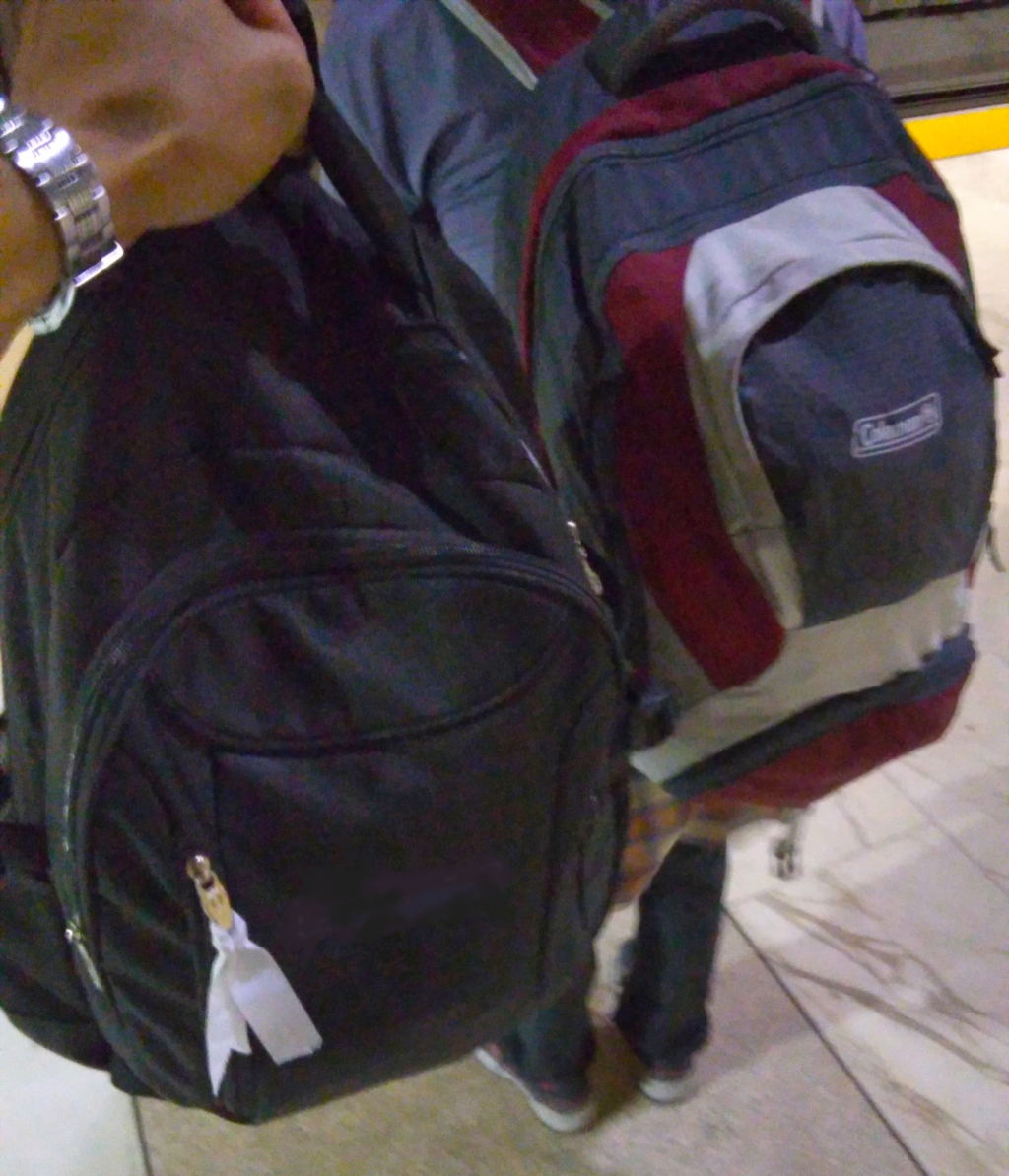
I’ve done my share of travel, domestic and international. Whenever possible, I try to carry only a backpack. Why?
- You really don’t need much. I used to bring more stuff, but it didn’t get used.
- Who likes to fight for overhead storage space? Ever feel anxiety when you are in boarding group 5, and you see everyone roll on with a ton of stuff before you?
- Who wants to pay baggage fees? Wait to claim bags? Having their bags lost by the airline? Have their stuff broken by baggage handlers?
- Whenever possible, I take public transit. It’s a great way to get to know the locals and see how a city actually functions. This puts a premium on mobility for making connections between different forms of transit. Dragging along extra bags effectively forces you to hail a taxi or rent a car, which is expensive. Also, I hate driving in my own country, much less in someone else’s.
- You can focus on enjoying your trip without fussing over your stuff. Too many material possessions only distract.
- Since you can always have your backpack with you, it’s less likely to get stolen.
- Less things to pack, less to unpack.
Key concepts
To pull off minimalist travel, you need to abide by some tenets.
- Bring only what you need. If you didn’t use it last trip, leave it out.
- You’re gonna do laundry every night in the sink to have fresh clothes. I have a special technique: after hand washing and wringing, roll clothes in a towel and twist, or kneel on them; they will dry much faster. This means packing clothes that dry overnight, so no heavy jeans or sweatshirts.
- Choose your footwear wisely. Ideally, what you have on will work for all activities you have planned. An extra pair of shoes takes up a lot of space.
- Bring clothes that you can layer, which will eliminate bulky jackets and sweaters.
- Bring a simple day-bag. This can be a reusable shopping bag, or a drawstring backpack. They weigh nothing and take up negligible space. On days when you don’t need all your stuff, it’s a relief to take only what you need for a day trip. At the end of your travels, the day-bag can help carry souvenirs.
- Organize your things in smaller bags. Over the years, items I have accumulated small stuffsacks from various purchases. These are great for organizing your kit when you travel.
- Bring only one or two luxury items: things that you don’t need but are nice to have.
Example: 10 day trip to New Zealand
This is what I packed to visit New Zealand in springtime. Temperatures were low 30’s Fahrenheit in the morning on the South Island. Rain was expected. Unfortunately, I needed a few more items to contend with this climate.
Base Items
- Toiletries: travel toothbrush, toothpaste, floss, deodorant. These go in their own mesh bag.
- Electronics: earphones, charger, USB cable, electrical outlet adapter. They live in a pouch made from an old sock.
- Phone: we purchased SIM cards at the airport, which is instrumental for looking up maps, directions, making reservations, etc. The phone also serves as a camera, e-reader, notepad, and so on.
- Medications: I carried a weekly pill organizer, double loaded on overlapping days.
- Flashlight: mine is powered by a single AAA battery, so it is very small. I wear it around my wrist for those overnight trips to the toilet in unfamiliar surroundings.
- Hat: as a bald man, I never leave the house without it.
- Passport: I used to wear it in a neck pouch, but these days it just rides in my back pocket.
- Backpack: it’s a basic book bag, which fits under an airplane seat.
- Poncho: more versatile and lighter than an umbrella. It keeps you warm and your backpack dry.
- Shemagh (or keffiyeh): usually worn as a scarf, but can also become headwear, and have a dozen other uses.
- Clothes line: a 12 foot piece of braided twine.
- Clip-on sunglasses: the kind you get at the drug store.
- Day pack: an Adidas draw-string bag
- Water bottle: just an old Gatorade bottle.
Clothing (this includes clothes I am wearing)
- 3 pairs of wool socks: wool is still warm when it is wet. I really only needed two pairs, because I wash socks and underwear every night.
- 3 pairs of underwear: again, I could have just brought 2.
- 2 tee shirts: these were polyester, so they dried faster. I typically washed tees and outerwear every other day.
- 2 button-down shirts: these were more expensive nylon shirts with a tight weave that blocked out insects and wind. I used these shirts as my outer layer because of their wind breaking ability. On a budget, a cotton/polyester blend dress or work shirt will do. I find button-down shirts to be more versatile than pull-over. You can unbutton them in a hot climate and still get sun protection.
- Nylon pants: again, these are a little more expensive, but they are light and fast drying. Lightweight cotton/poly blend pants will work for an inexpensive option.
- Thermal underwear: I had a long sleeve top and long-johns. It was never cold enough for the long-johns, though I did wear the top often.
Footwear
This was tough. Normally, I’d just wear a pair of running shoes, but we were hiking and kayaking. There was also the possibility of going running.
What I decided to bring was a pair of Palladium canvas boots and an old pair of running shoes. The boots were comfortable and did great on hikes. We walked around Auckland in a downpour, but the canvas dried quickly. The old runners were used for kayaking, and stayed wet for the remainder of the trip. They also took up tons of room in my pack. If I had a do-over, I would have brought my sandals, and just given up on running.
Luxury Items
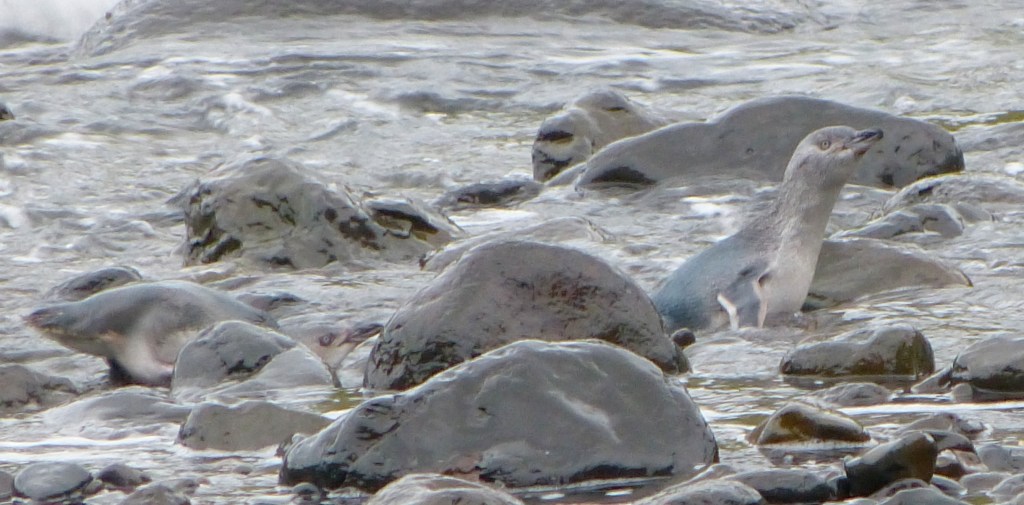
Since this would likely be our only trip to New Zealand, I wanted to capture wildlife on a camera with a zoom lens. We were really hoping to see penguins and other endemic birds, so I brought my camera, extra battery, and charger.
Conclusion
It takes practice to become a minimalist traveler. My wife has gone from carrying a duffle bag to a backpack, but she fought it every step of the way. It’s hard to give things up, but even she agrees that we could not have pulled off our New Zealand trip if we had extra luggage. We took buses, trains, vans, and walked several miles daily. The freedom you get from traveling light more than offsets the sacrifices you make.

