
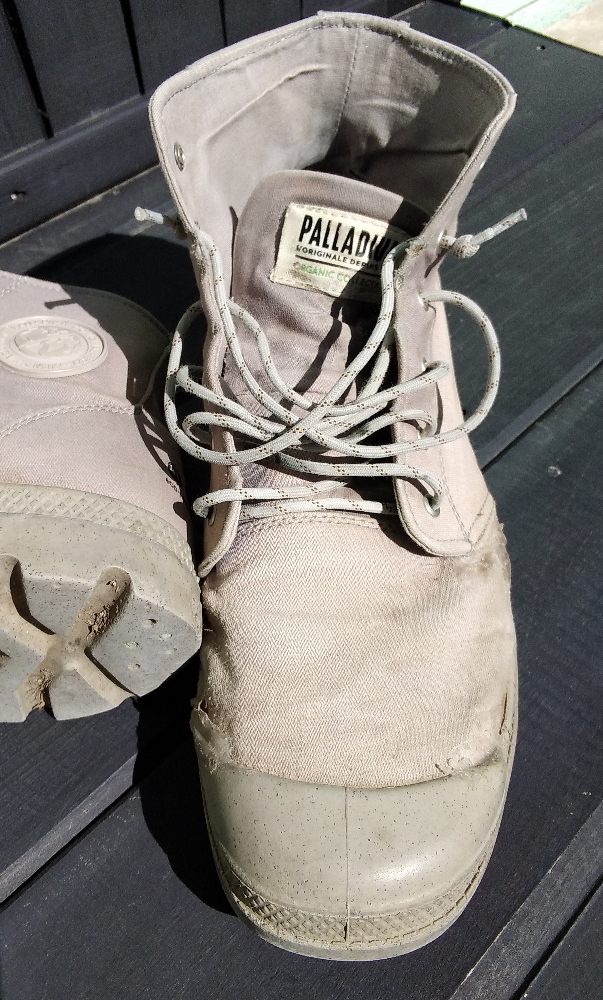
This design is as simple as it gets, which is a good thing. Simplicity is an essential ingredient in high value products. The boots consist of 100% cotton canvas uppers, rubber soles, and cork insoles. Think of these as heavy duty Converse Chuck Taylors. I found mine on sale for under $50, which is worth every penny. I even got compliments for their looks, despite their utilitarian nature.
A little history
Palladium began as a manufacturer of airplane tires in the 1920s. After WWII, they started manufacturing boots for the French Foreign Legion, which is where this model originated. 30 years ago, I purchased a pair of Merrell canvas boots inspired by Palladiums, though I had no idea at the time. I loved those boots, but was unable to find replacements after they wore out.
Since then I have worn proper “hiking boots.” My last two boots were Vasque Sundowners and Merrell Moabs. I purchased the Sundowners because they were waterproof and often recommended for backpacking. They were heavy, expensive, but well made. After I outgrew the Sundowners, I purchased “waterproof” Moabs, because I didn’t want to spend another $300 on boots. The Moabs were lightweight, well constructed, but were never waterproof.
Permeable, Quick Drying (PQD)
Waterproof boots sound like a good idea, but they end up getting clammy every time you sweat. The PQD approach is to don wool socks along with boots that dry quickly after getting wet. Palladium canvas boots are ideal because of their lightweight and breathable construction. I have walked in downpours and immersed my boot during creek crossings. Each time, my feet kept warm in the wool and felt mostly dry within an hour. After a thorough soaking, the boots dry sufficiently overnight to be worn the next day. My previous boots would take days to dry, and require stuffing with paper to expedite the process. So far, the PQD concept is working for me.
Performance and Comfort
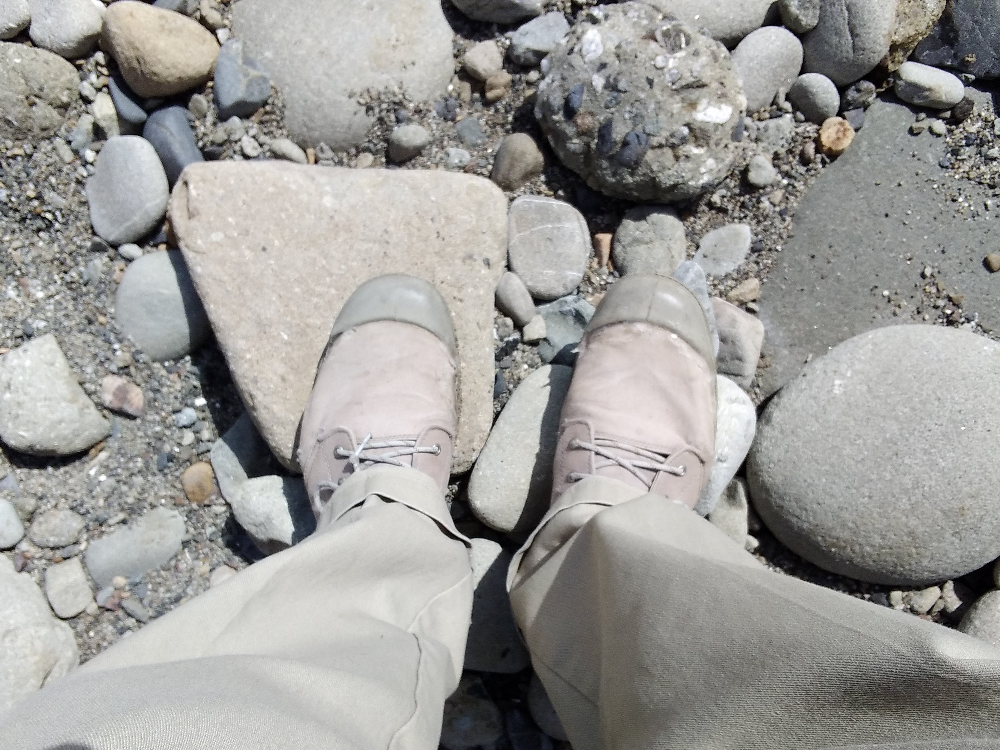
Other than running, I wear these boots for everything. Online reviews mention that these boots run narrow, which made me balk at buying my first pair (I have 13 wide feet). When I finally took the plunge, I was pleasantly surprised. The simple construction of this boot allows it to accommodate the full spectrum of wearers, and their light weight makes every mile a pleasure. The rubber toe box provides adequate protection against accidental kicking of rocks and branches. I do feel jagged rocks through the rubber soles, but they do not cause any pain. A notable feature is the heels are slightly higher than the toes, which takes some getting used to. It does not bother me, and it facilitates adopting a resting squat position, which I use often in photography.
My first experience with these boots was on a 10 day trip to New Zealand, where we took public transit and walked everywhere. These Palladiums comfortably took me through the pavement of Auckland and trails on the Banks peninsula. They were even comfortable to wear on the 13 hour plane ride.
These boots coincided with my interest in bird photography. I go out nearly every day for 3 or 4 hours and cover 2-4 miles at a time. They have traversed sandy beaches, rocky trails, and slippery creeks. If possible, I avoid driving, which means a lot of walking, pedaling a bike, or pushing my razor scooter. I also started working at a supermarket, which involves commuting 1.5 miles on foot or scooter, standing for 5 hours, bending, lifting, getting run over by shopping carts. About the only thing I haven’t done is backpacking in these boots, and I would have zero reservations doing so.
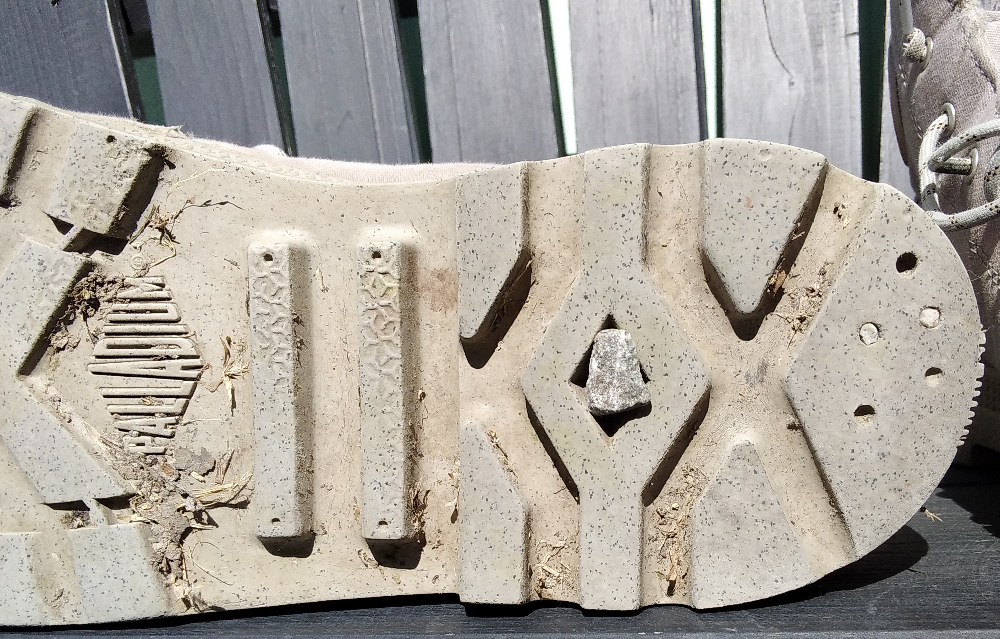
One negative is the sole design tends to trap pebbles between the lugs. It happens on virtually every outing. I have become adept at dislodging these rocks by rubbing my foot on other objects. The grip on slippery surfaces is also not the best, just passable.
Durability
Durability is perhaps the Achilles heel of these boots. I have pushed them harder than anything I have ever worn. The lack of reinforcement in this design starts to show after 9 months. The weak points are typical: at the toe box and at the sides where your toes bend. With plenty of wear left in the soles, I patched the canvas with Shoe Goo. After 11 months, the uppers really started to tear, so prodigious applications are needed. The good looks are long gone, but the boots are still kicking at 12 months.
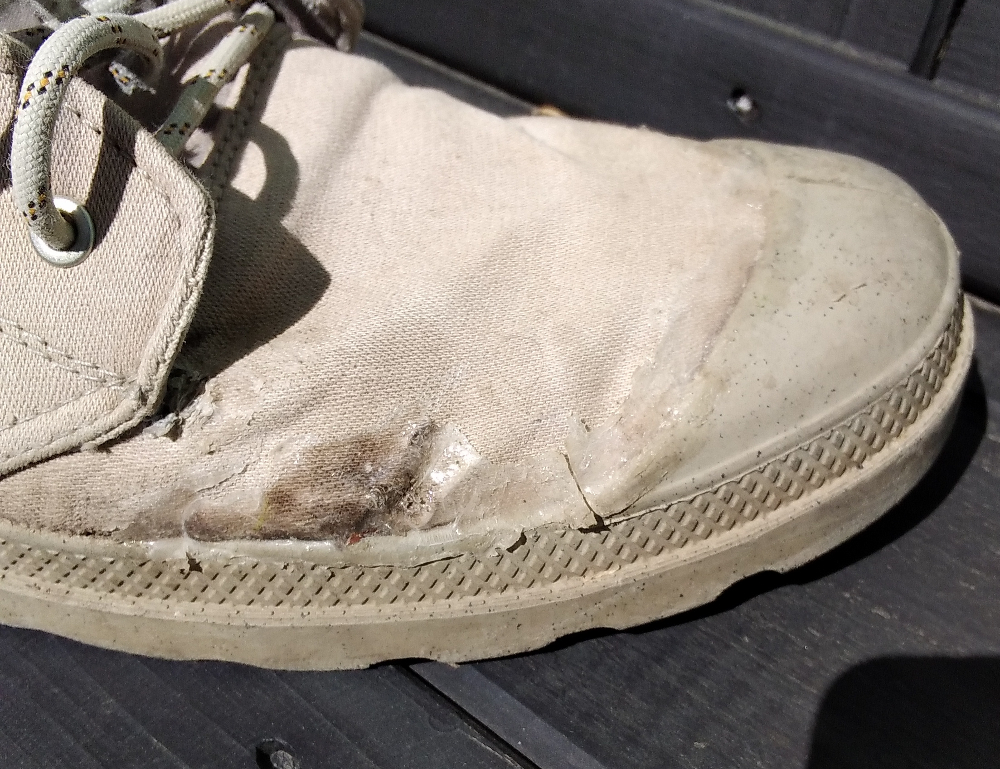
UPDATE: After 14.5 months, I decided it was the end. A one inch tear opened up at the ball of the foot on my left boot, which was too big to glue back together. I got an extra 3.5 months of wear by using Shoe-Goo; not bad.
Conclusion
I really love these boots. They have done everything I have demanded, except last a long time. I already have a second pair waiting in the wings. This new pair is slightly heavier with different materials, so I hope they are more durable. It’s expensive and wasteful to replace boots every year, so I will wait and see if a third pair is in the cards.
 Misanthrope Hobbies